
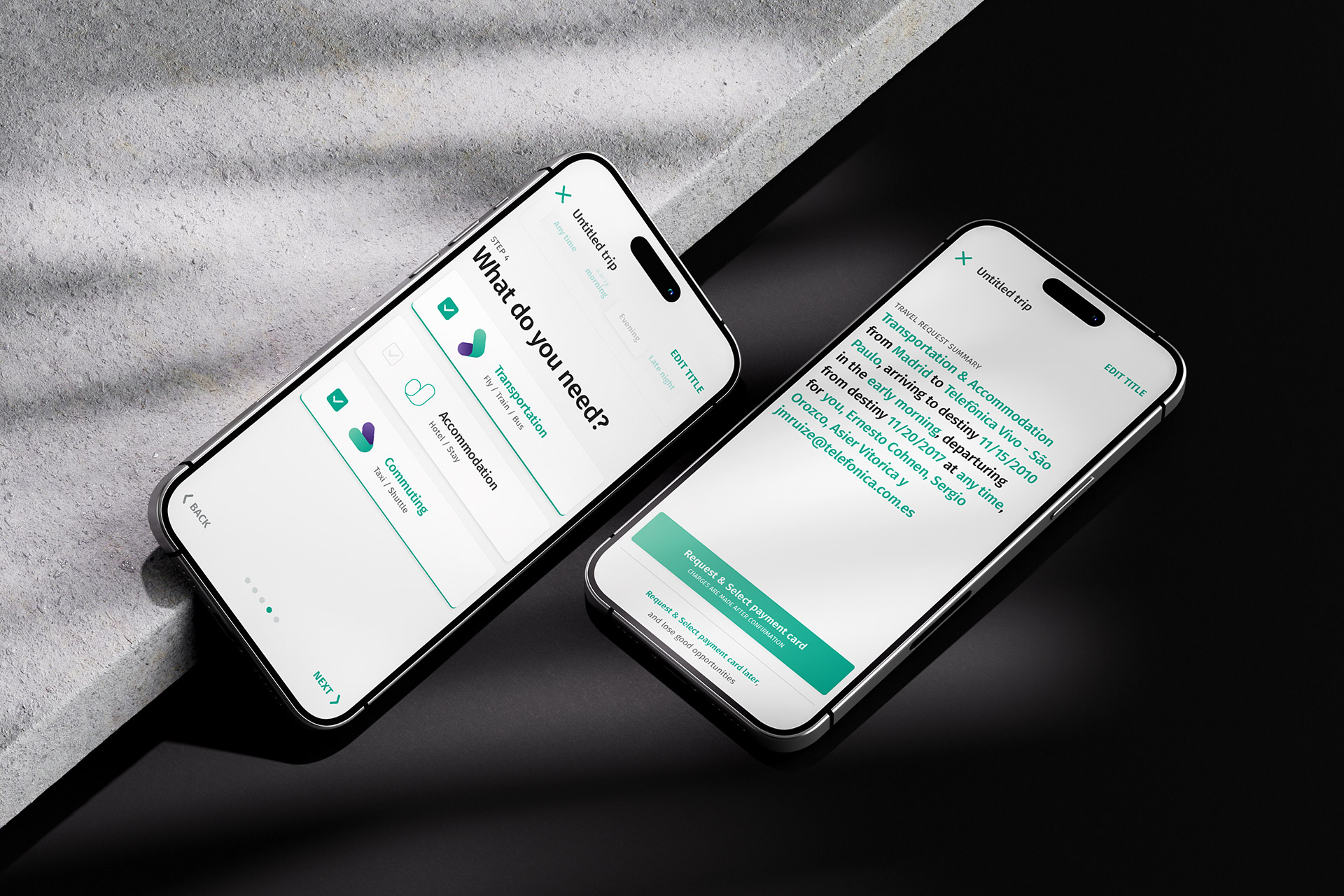
Photo: Triporate Saas, trip request process.
Project: Triporate SaaS, Trip request wizard
Triporate’s “Wizard”, a guided, step-by-step process that helps users create a complete trip request, structured as a prompt for AI processing.
The Wizard was part of Triporate’s MVP, the core feature of its travel management platform. Its purpose was to simplify corporate travel requests by digitizing the process and transforming user inputs into a structured AI-readable format. The system would later use that prompt to automate bookings via email or direct app processing.
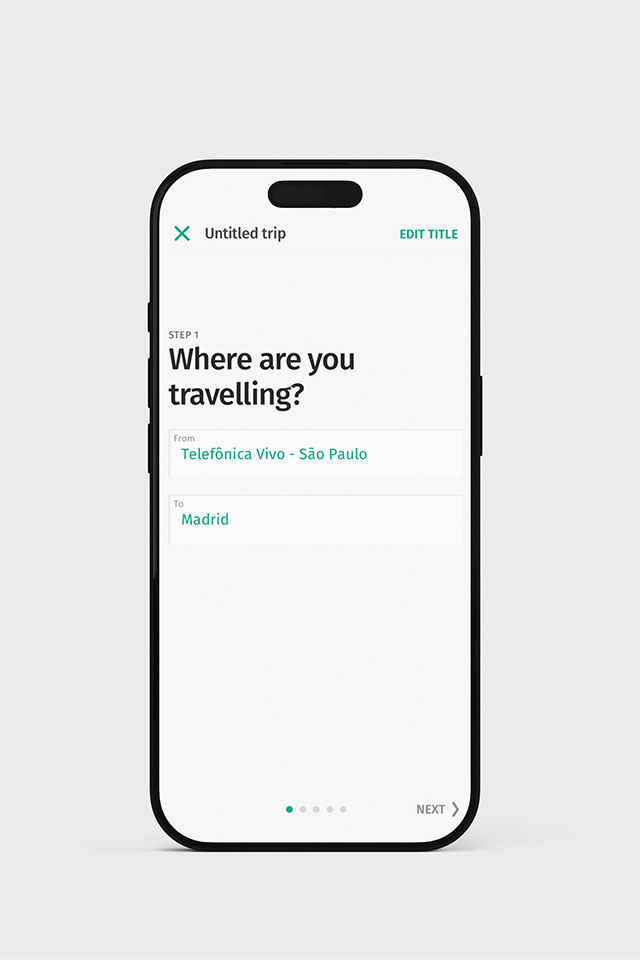
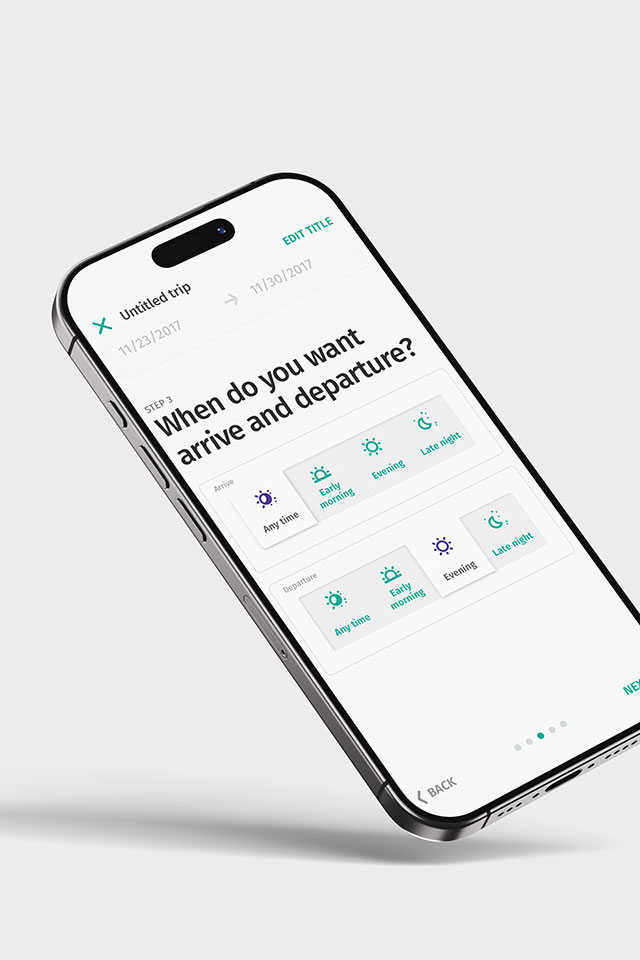
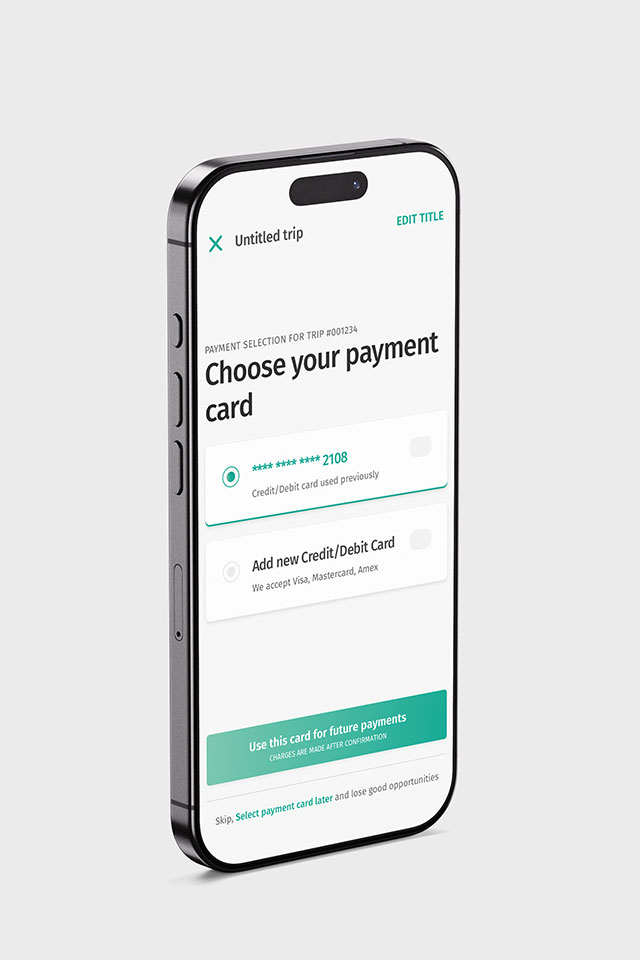
Image 1: Triporate SaaS - Trip request, step 1. Mobile version.
Image 2: Triporate SaaS - Trip request, step 3. Mobile version.
Image 3: Triporate SaaS - Trip request, choose payment step. Mobile version.
- Role: UX/UI Designer
- Client: Startup in seed stage, while participating in an incubator program
- Project type: Freelance project
The problem
The opportunity
The business challenge was to design a guided trip-request flow that would educate users to interact with an AI-based booking system without making them feel like they were dealing with complex technology. The Wizard had to be as easy to use as a regular form, but smart enough to build a structured, machine-readable prompt from human-friendly inputs.
The design challenge was to balance simplicity and guidance. The Wizard had to minimize friction, use familiar interaction patterns, and display just the right amount of information at each step. Distraction-free design was key. Users had to clearly see what each field was asking for and complete the flow effortlessly.
Additionally, since the Wizard had to work seamlessly across mobile, tablet, and desktop devices, the interface required responsive and hybrid-friendly components (adapted for both touch and keyboard input). Each field had to be large enough to accommodate tactile interaction while remaining space efficient on smaller screens.
The process
The Wizard was a core deliverable of the MVP, prioritized above other deliverables.
1. Research & Define
I analyzed similar guided flows and onboarding patterns from SaaS tools and travel platforms, identifying what made form completion intuitive and low-friction. Together with the CTO, I co-defined the data structure needed to build the final AI prompt, which allowed me to design fields that were both human-friendly and machine-readable.
2. Ideation
I created detailed wireframes and flow maps that broke down the request into five sequential steps:
Step 1.
Where are you traveling?
From, To
Step 2.
When are you traveling?
Start date, End date
Step 3.
When do you want to arrive and depart?
Arrival and departure preferences
Step 4.
What do you need?
Transportation, Accommodation, Commuting
Step 5.
Who is traveling?
Add travelers by name or email
Step 6.
Prompt built for AI
The prompt is displayed to the user and verification is requested.
Transportation & Accommodation, from Madrid to São Paulo, arriving on August 18, 2021 in the early morning, and departing on August 21, 2021 at any time, for John Doe, Antonio Garcia and you.
- ${request.type}
- ${trip.origin}
- ${trip.destiny}
- ${trip.travelers}
- ${trip.arrival.date}
- ${trip.arrival.time}
- ${trip.departure.date}
- ${trip.departure.time}
3. Design
The Wizard’s visual identity followed the design language of the broader Triporate system
Each step was designed as a self-contained view for minimal distractions, contextual help tips, and clear labels, with adaptive layouts for hybrid devices.
The color palette and spacing were optimized for focus and accessibility, while motion transitions were added between steps to give the experience a sense of continuity and progress.
The design process also improved upon the ideation phase by fine-tuning responsiveness, visual hierarchy, and field ergonomics.
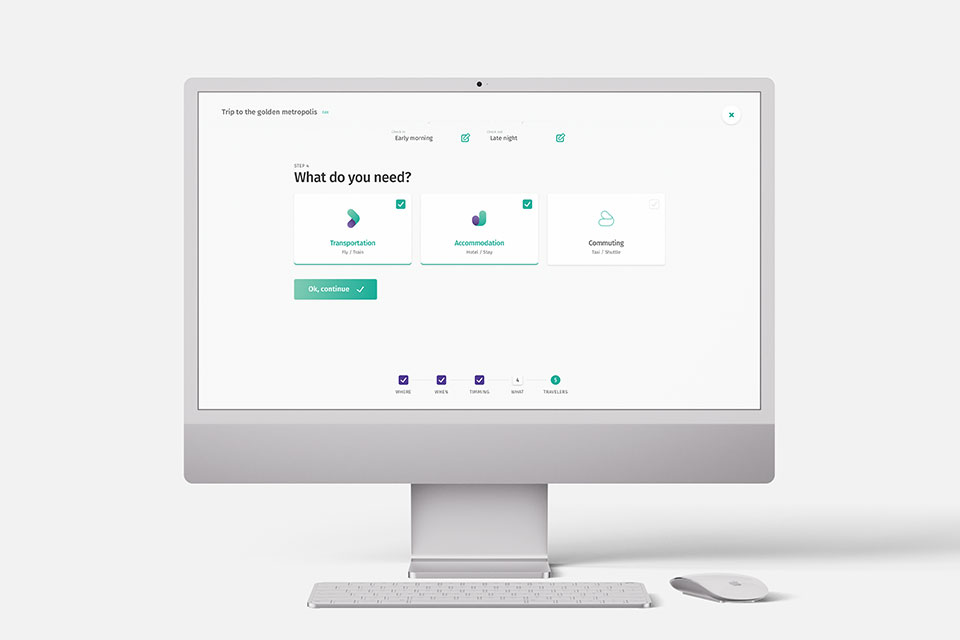
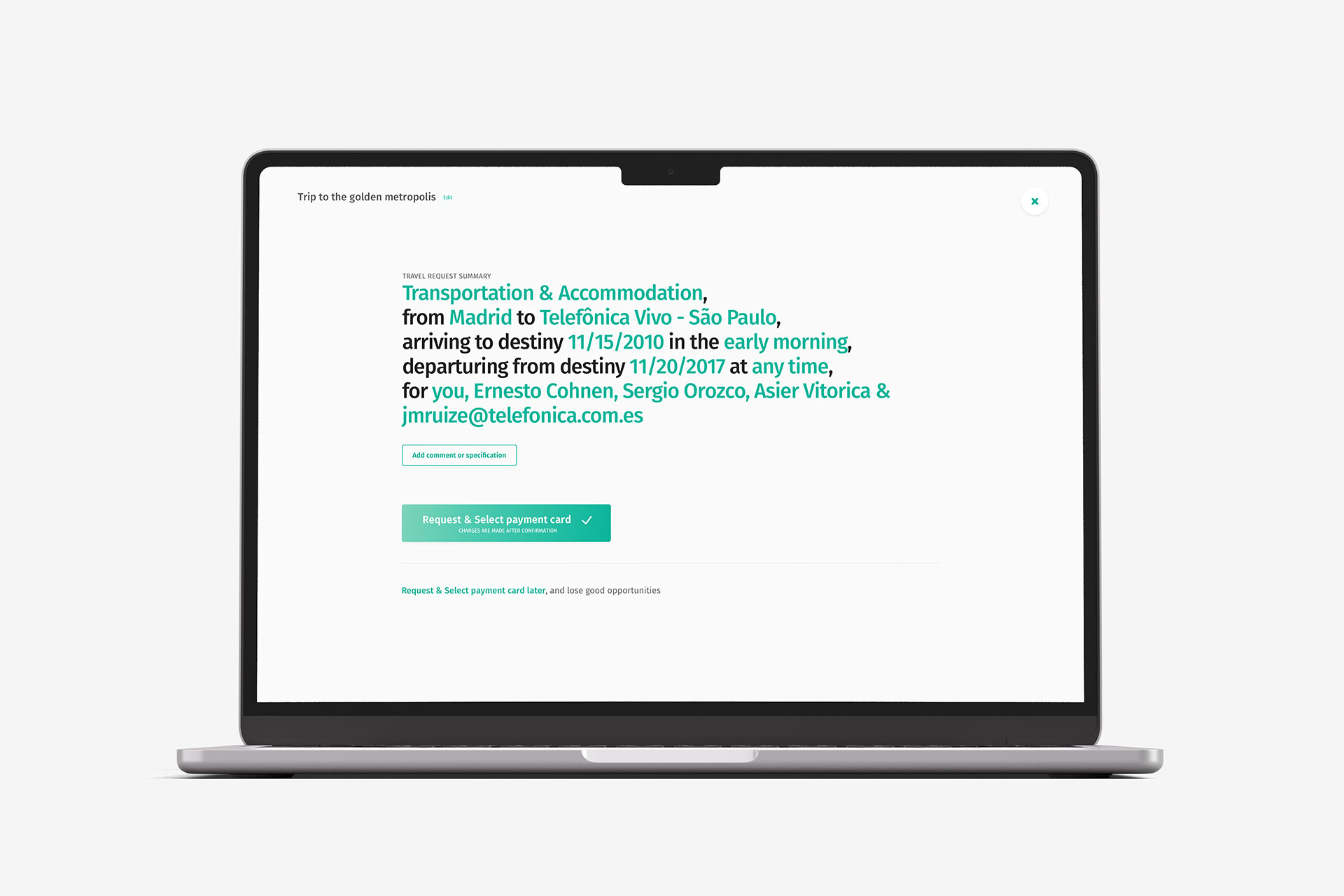
Image 4: Triporate SaaS - Trip request, step 4. Desktop version.
Image 5: Triporate SaaS - Trip request, confirm request step. Desktop version.
4. Handover
Due to time constraints and a small team, the design system was intentionally lightweight but fully modular for future iterations. This system allowed the development team to rapidly iterate while maintaining design consistency.
Every asset was exported and paired with detailed annotations, ensuring a frictionless handover and long-term maintainability.
Handover package
- Exported assets and annotated specifications
- Copy and tone-of-voice guidelines for the interface text and actions
- Documentation on the design responsive behavior
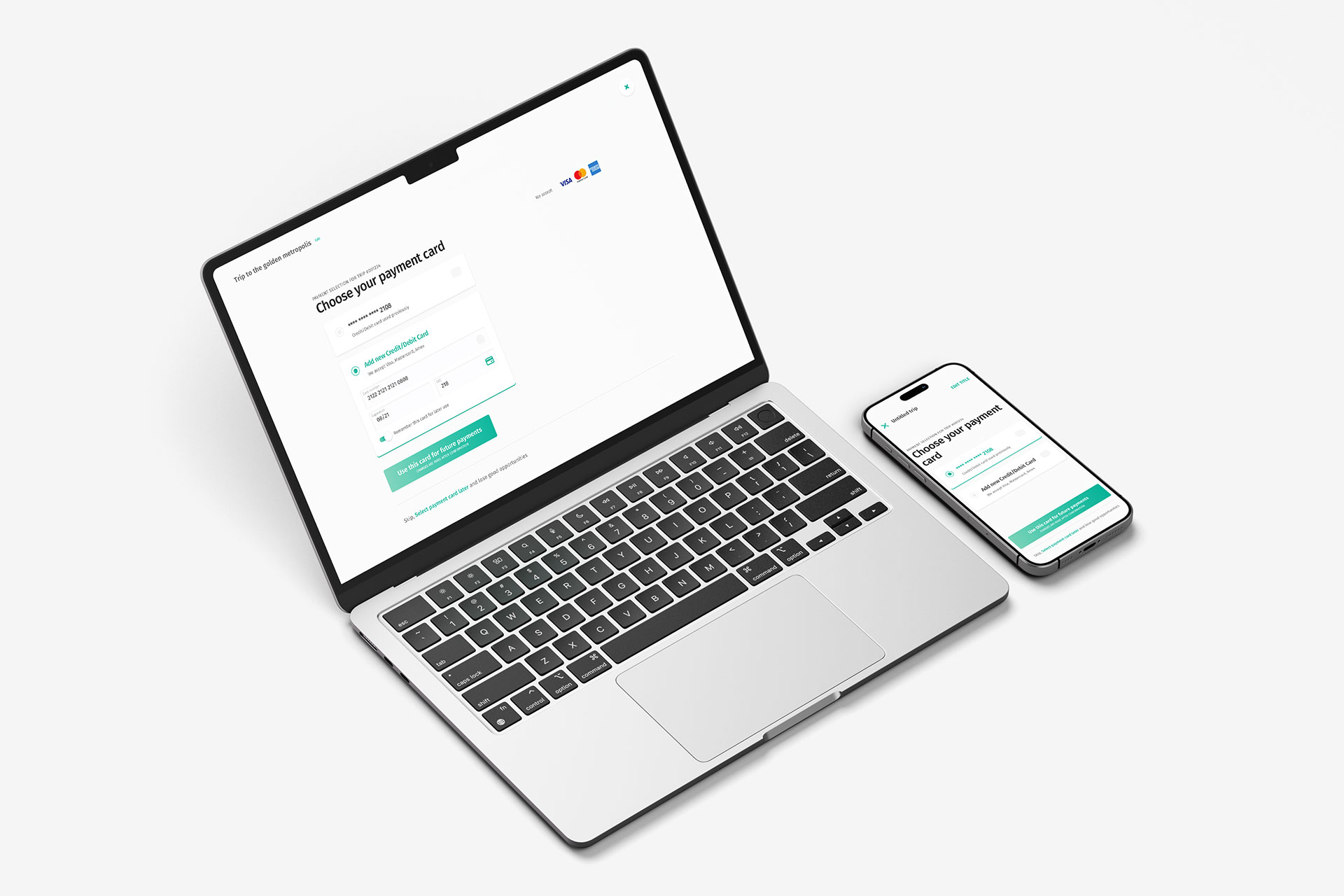
Image 6: Triporate SaaS - Trip request, Choose payment step.
The outcome
Product delivered!
The Wizard became the core feature of Triporate’s MVP, serving as the user’s first point of contact with the platform’s AI-powered travel request system.
Triporate evolved from a Demium-incubated startup to joining Google’s Campus Residency program, a recognition of its scalability and innovation in digital travel management.
In August 2018, Triporate raised approximately €266,000 in a record-closing round in just one hour, from 36 investors via the Startupxplore platform.
In January 2020, the company secured a further €1.3 million in capital, backed by both existing and new investors including Aurorial, Bankinter, Reus Capital, Archipelago Next, Tokavi and the Travel Tech 1 fund of Top Seed Lab.
August 2018
From 36 investors via the Startupxplore platform.
January 2020
Backed by both existing and new investors.
These rounds highlight how Triporate succeeded in attracting investor confidence through its technology-driven vision, strong product traction, and clear market potential.
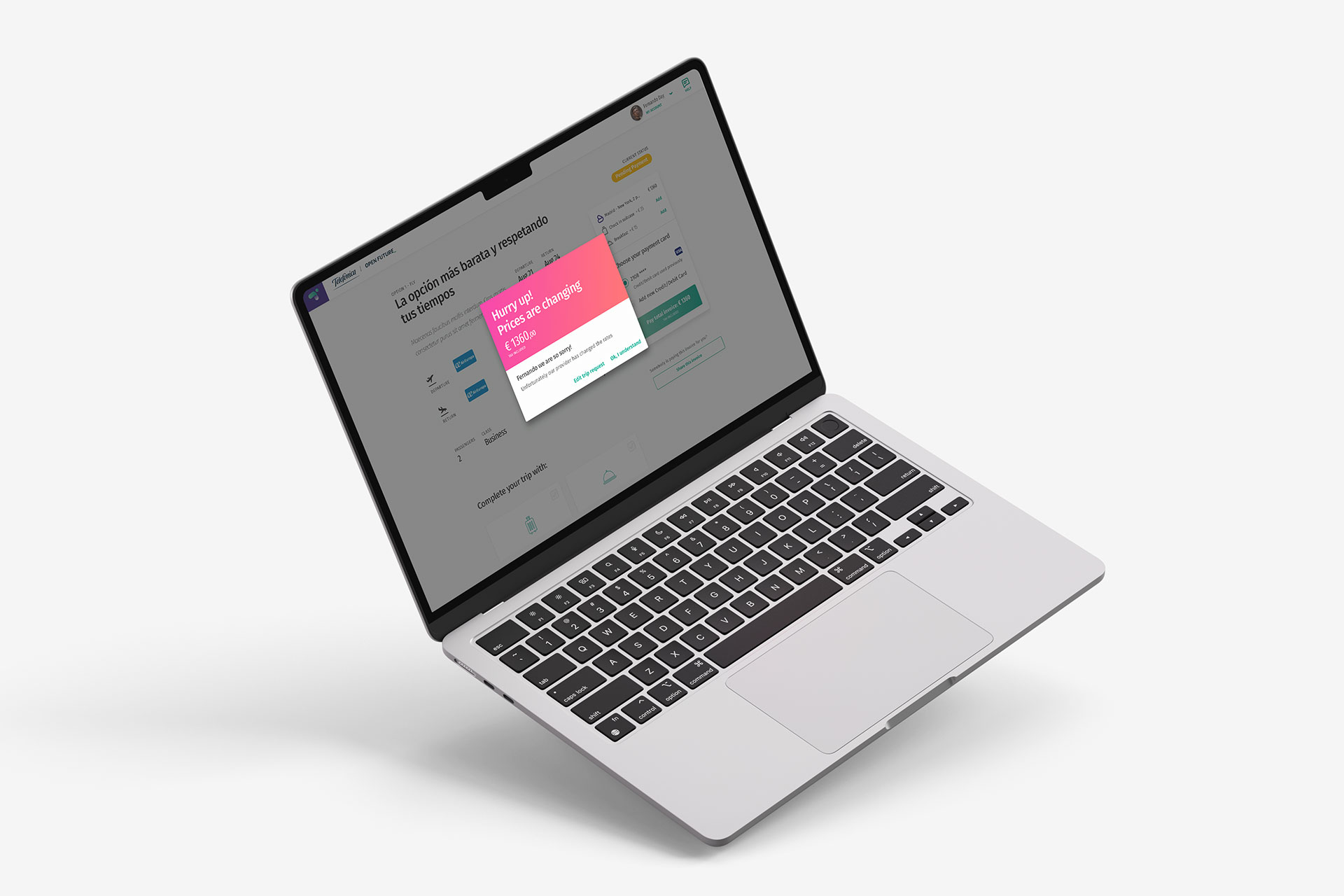
Image 7: Triporate SaaS - Trip request, follow up action.
Want to discuss my approach? Let’s connect.
Book a 1:1 with me. Book a slot that works for you.
Madrid, Spain
UTC +01:00
Monday to Friday
10:00 am - 1:00 pm
2:00 pm - 4:00 pm
7:00 pm - 8:30 pm